As the national conversation around historic preservation evolves, Section 106 of the National Historic Preservation Act (NHPA) remains one of the most important tools for balancing progress with cultural resources preservation. Established in 1966, Section 106 requires federal agencies to evaluate the impact of their projects on historic properties and consult with stakeholders before decisions are finalized. The implementing regulations, found in 36 CFR Part 800, provide the framework for that consultation process and have guided thousands of successful infrastructure, transportation, energy, and community development projects across the country.
This conversation is particularly timely as the Advisory Council on Historic Preservation (ACHP) is advancing proposed changes to the Section 106 regulations. Regardless of where one stands on the proposed regulatory changes, it’s worth remembering that Section 106 is a problem-solving framework that brings diverse perspectives together early enough in project planning to identify practical solutions, reduce conflict, protect important places, and ultimately create better projects.
Over my career, I’ve helped clients navigate the Section 106 process and observed how preservation and project delivery can work hand in hand. The following success stories are just a handful of the numerous examples I’ve seen.
Success Story #1: Southeast High Speed Rail and the Preservation of Downtown Ashland, Virginia
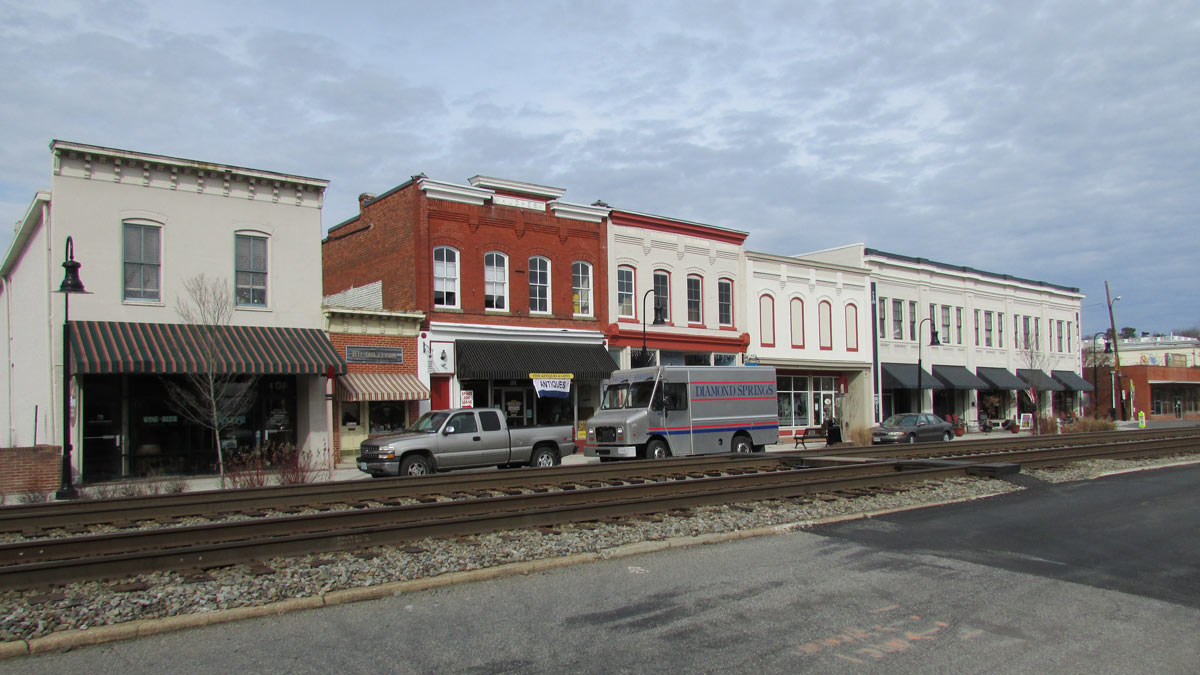
The Southeast High Speed Rail (SEHSR) corridor project was initiated to improve 200 miles of rail to address transportation capacity needs between Washington, D.C. and Raleigh, North Carolina. The rail corridor in this area has been active for almost 200 years, leading to the development of many communities along the tracks. One of the most challenging portions of the corridor ran through the town of Ashland, Virginia. Here, the rail lines cut straight through the heart of the downtown with numerous rows of buildings and businesses facing the rail tracks, forming an important part of the town’s identity. Initial concepts considered adding additional rail lines through the historic downtown area, raising concerns among residents and local officials about impacts to the community’s character, historic resources, and quality of life.
What happened next demonstrates the strength of the Section 106 consultation process. Through extensive public engagement, consultation with local stakeholders, and countless meetings involving engineers, planners, agency representatives, and community members, the project team explored alternatives that could satisfy both transportation needs and preservation concerns. This led to a creative solution: maintaining the two-track layout through downtown Ashland, while providing space for future expanded rail service with additional capacity located north and south of the historic district.
The outcome delivered multiple benefits:
- The historic character and fabric of downtown Ashland were preserved.
- Rail capacity and operational goals were maintained.
- Community concerns were addressed through meaningful consultation.
- The revised design ultimately reduced costs compared to alternatives.
I believe this aligns exactly with Congress’s original intent when it established the National Historic Preservation Act. The Section 106 process did not stop the project. Instead, it created a forum for stakeholders to identify better solutions that balance transportation objectives with respect for a community’s heritage.
Success Story #2: The Stillwater Lift Bridge Finds a New Purpose
The Stillwater Lift Bridge, spanning the St. Croix River between Wisconsin and Minnesota, offers a strong example of the importance of preservation and adaptive reuse. Built in 1931, this ten-span vertical lift bridge served as a critical transportation connection for decades, and its historic significance was recognized by listing in the National Register of Historic Places in 1989.
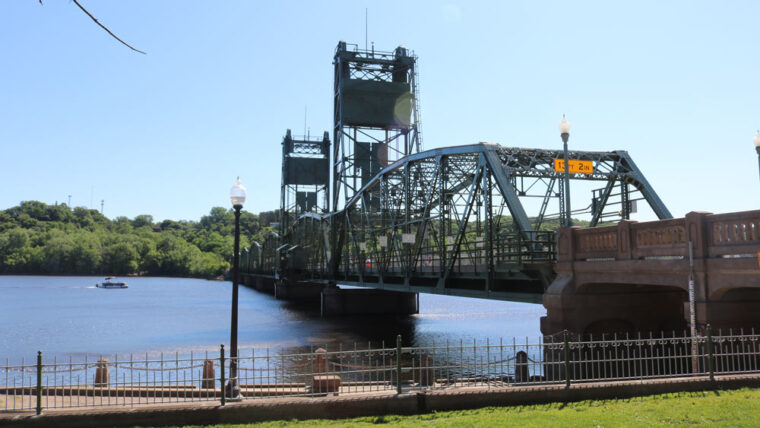
As transportation needs grew, a new river crossing became necessary. Rather than viewing preservation and infrastructure improvements as competing interests, the Section 106 process helped stakeholders find a solution that achieved both goals. Through collaborative planning and mitigation efforts, the historic bridge was rehabilitated and repurposed into a pedestrian and bicycle path connected to a broader regional trail network. The bridge celebrated its grand reopening in 2020, and it continues to serve the public as a local landmark that remains an active and beloved part of the community’s identity while transportation improvements moved forward.
Success Story #3: Uncovering history: Road America, Elkhart Lake, WI
As part of a routine project, a unique historic resource was discovered through the Section 106 consultation process. Improvements were proposed to a county highway outside Elkhart Lake to bring the road up to current state design standards and improve safety. The initial historic resource survey for the project identified only one potentially eligible property—a farmhouse along the highway. However, when local residents learned of the proposed road improvements, they rallied race enthusiasts from around the country who supplied information about the former use of County Trunk Highway (CTH) A. In the 1950s, Elkhart Lake hosted European-style road races on village streets and county roads, including CTH A, with some residents still remembering its racing heritage. Recognizing the road’s historic significance, the project team revised plans to minimize impacts on the historic character and defining features of the old Elkhart Lake Road Race Circuit. Ultimately, the project was later modified again through compliance with another transportation regulation, Section 4(f) of the U.S. Department of Transportation Act, which led to the preservation of key historic features of the roadway.
The outcome illustrates how meaningful public participation can uncover important histories that might otherwise be overlooked, ensuring that significant cultural resources are recognized and considered during project planning. The Section 106 consultation process helped find a solution that balanced transportation improvements with the preservation of the historic road so racing enthusiasts can continue to enjoy and experience it.
The Real Value of Section 106
These case studies highlight a defining truth: successful preservation is rarely about choosing between progress and protection. More often, it’s about creating opportunities to achieve both.
The Section 106 process brings together federal agencies, applicants, Tribal Nations, SHPOs, local governments, consulting parties, and the public. Each brings unique expertise and perspectives that may not otherwise be considered. Through consultation, projects often benefit from improved design, lower risks, fewer conflicts, and increased community input in decisions about the places that matter to them.
At Mead & Hunt, my colleagues and I have seen firsthand how thoughtful consultation can produce better outcomes for agencies, project sponsors, and the public. The stories of Ashland, the Stillwater Lift Bridge, and Elkhart Lake remind us that historic preservation and infrastructure development are not opposing goals. When stakeholders work together through the Section 106 process, they can create solutions that respect the past while building for the future.