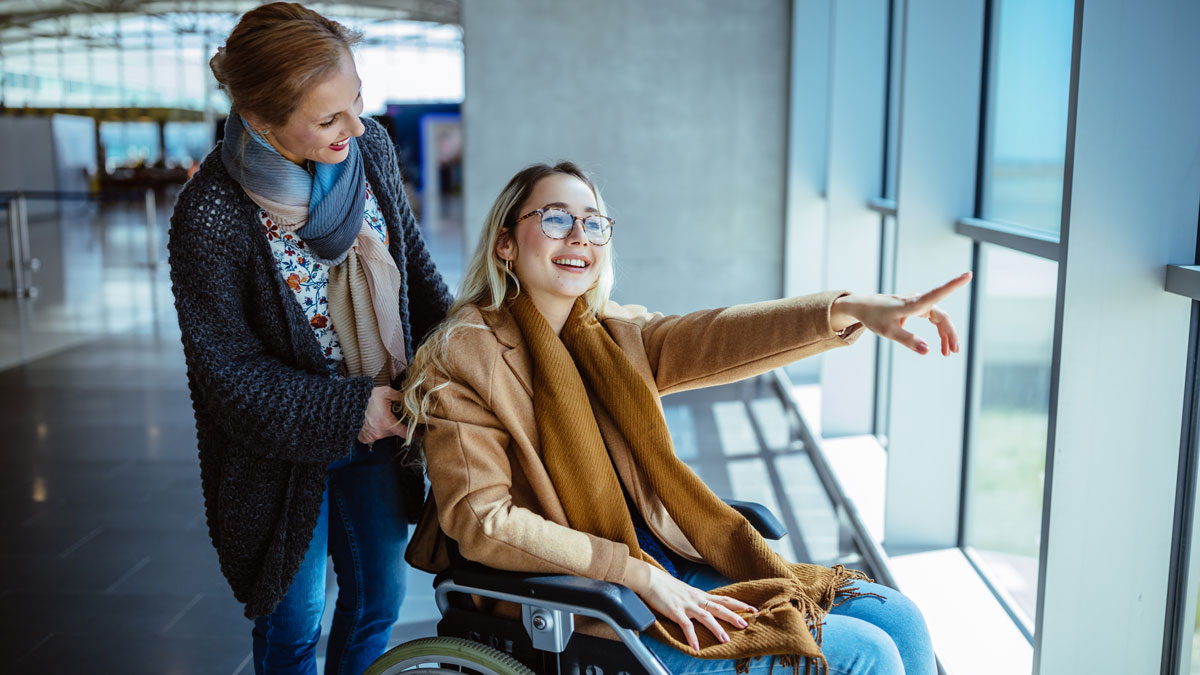
For many people, flying begins with excitement. They’re visiting loved ones, attending an important event, or exploring a new destination. But for travelers with disabilities, the airport experience can also bring uncertainty and anxiety. Will the right assistance be available? Will they be able to find their gate independently? Will the environment meet their needs?
As a strategic civic leader at my firm and a neurodiverse woman, it is an honor for me to work with airports and communities to create aviation transportation systems that are accessible, welcoming, helpful, and responsive to travelers of all abilities. Here are six ways airports can make the passenger journey easier and more inclusive.
1. Support Travelers with Hidden Disabilities
Not all disabilities are visible. Programs such as the Hidden Disabilities Sunflower Program allow passengers to discreetly let airport and airline staff know they may need additional support or understanding while traveling by providing them with sunflower lanyards, pins, wristbands, and more.

Imagine a traveler with autism who becomes overwhelmed in crowded environments. A simple sunflower lanyard can help airport staff recognize that extra patience or guidance may be needed, changing a potentially stressful experience into a more comfortable and welcoming one.
Airports can also offer sensory kits to travelers with activities that can help them decompress. Kulture City and Operation Calm are two examples of organizations that provide supplies like activity books, fidget toys, and headphones that are designed to alleviate the anxieties of travel.
2. Create a Connected Passenger Journey
Making travel easier starts long before someone reaches their gate. Airports, airlines, and ground transportation partners all play a role in creating a smooth experience for travelers and their caregivers or companions. Consider an adult child traveling with an aging parent who uses a wheelchair.
When airport staff, airlines, and assistance providers coordinate effectively, that traveler and their caregiver can move from curbside drop-off to boarding with confidence instead of worrying about whether support will be available at each step. Multimodal wayfinding systems—such as digital signage and navigation tools—assist travelers in navigating parking facilities, transit connections, terminals, and gates with greater ease.
3. Leverage Technology to Promote Independence
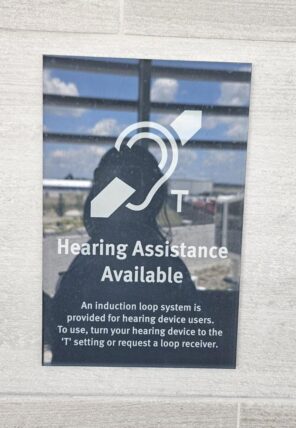
Technology plays a major role in improving accessibility in airports. Tools like Aira, GoodMaps, and Signapse help travelers receive information and navigate spaces in ways that meet their individual needs. For example, a traveler who is blind or has low vision, accessible navigation technology offers turn-by-turn guidance through a terminal. Or for Deaf and hard-of-hearing travelers, visual communication tools can provide critical flight updates and wayfinding information in accessible formats.
Adaptive interactive signage and AI-powered kiosks give personalized directions, accessibility information—including the locations of comfort spaces, inclusive restrooms, and sites where individuals can find support during the journey—and language assistance. These innovations upgrade the travel experience from dependence to independence.
4. Plan for the Future of Accessible Mobility
As airports evolve, accessibility should be built into new ways of moving through them. Autonomous shuttles, on-demand transportation services, and connected mobility networks create new opportunities to support travelers across large airport campuses.
Picture an older adult traveling alone. Instead of navigating long walks between parking facilities or a lengthy terminal, they could use an autonomous shuttle or autonomous wheelchair. These technologies have the potential to expand mobility options while reducing physical barriers throughout the passenger journey.
5. Provide Spaces That Support Comfort and Well-Being
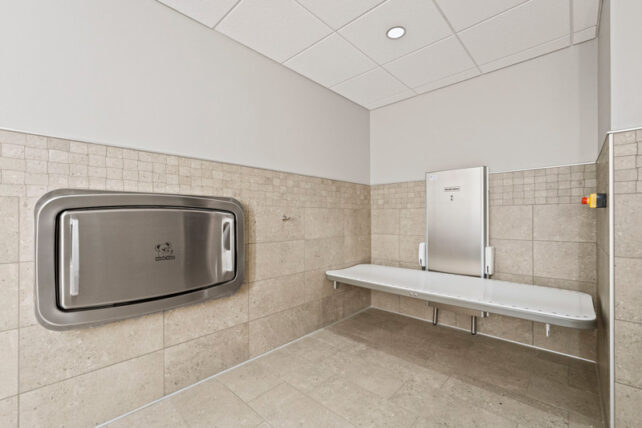
Sometimes the most meaningful accessibility improvements are the spaces that invite travelers to pause and regroup, so they can prepare for what’s next. A child with sensory sensitivities may benefit from a sensory room before boarding. A military family may find comfort in a USO lounge during a lengthy layover. A nursing parent may appreciate access to a private mother’s room.

Reflection rooms and quiet spaces cater to travelers looking for a relaxed environment away from the bustling activity of the terminal. These amenities acknowledge that every traveler experiences airports differently and that thoughtful spaces can make a meaningful difference. Even as a frequent traveler myself, I appreciate the calm that comes from a few minutes of solitude in these areas.
6. Support Travelers with Service Animals and Therapy Dogs
For many travelers with disabilities, a service animal is a vital part of how they move through the world. A service dog might guide a person who is blind, alert someone who is deaf or hard of hearing, assist during a seizure, retrieve items, or support a traveler with a psychiatric disability.
Imagine a traveler arriving at the airport with a service dog before an early morning flight. Clear signage to animal relief areas, trained staff who understand service animal etiquette, and coordination between the airport and airline can help that person move through check-in, security, and boarding with less stress.
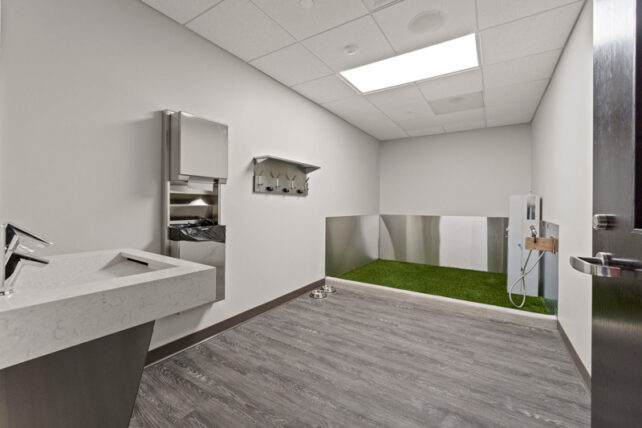
Small details make a big difference. Accessible relief areas, clear wayfinding, staff training, and respectful communication all help travelers with service animals feel prepared, supported, and included throughout the passenger journey.
Accessibility Is About More Than Infrastructure
From community to curb to cabin, the most successful airport accessibility programs combine people, technology, partnerships, and thoughtful design. Whether it’s a volunteer helping someone find their gate, an AI kiosk providing accessible travel information, or an autonomous shuttle expanding mobility options, each investment contributes to a more inclusive passenger experience. An important thing to keep in mind is to listen to people with lived experience when designing accessibility programs and infrastructure. Their input helps to create programs and design spaces that are meaningful and mindful of addressing challenges in the passenger journey.
Accessibility is about creating environments where all travelers can embark on their journey with dignity, comfort, and confidence. When airports are designed for inclusion, they create better travel experiences for everyone.